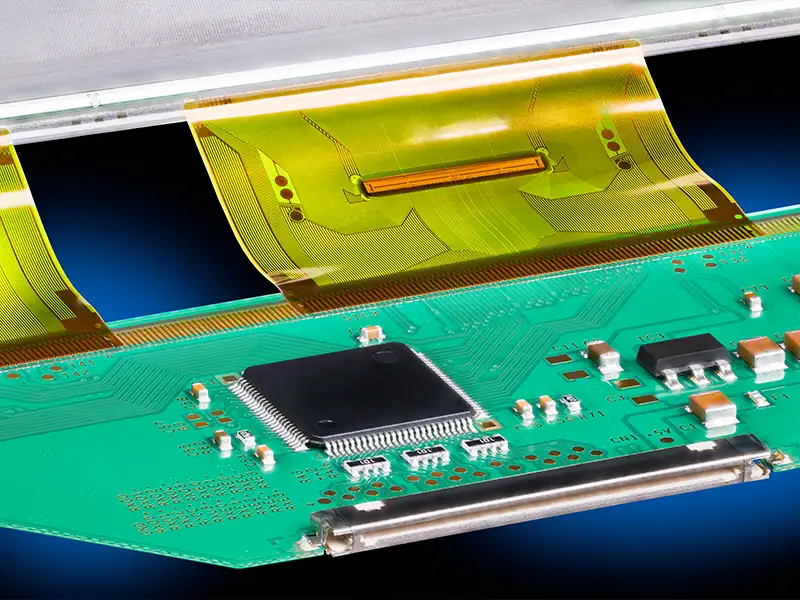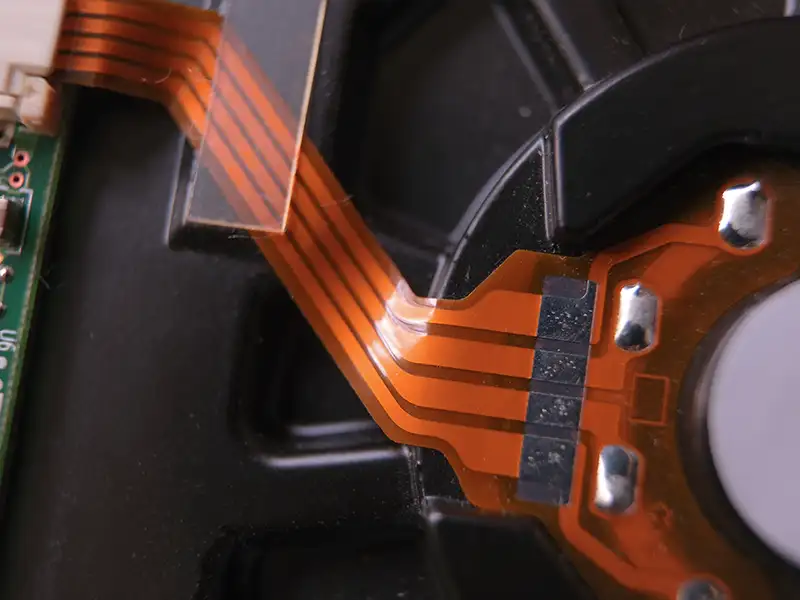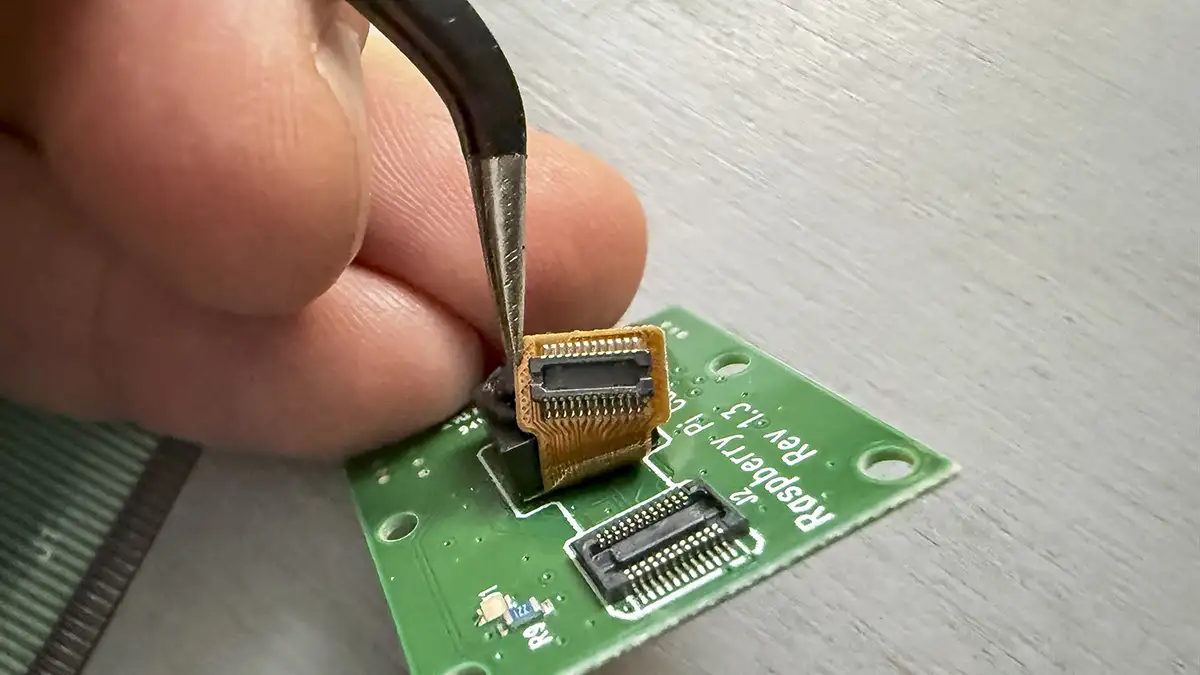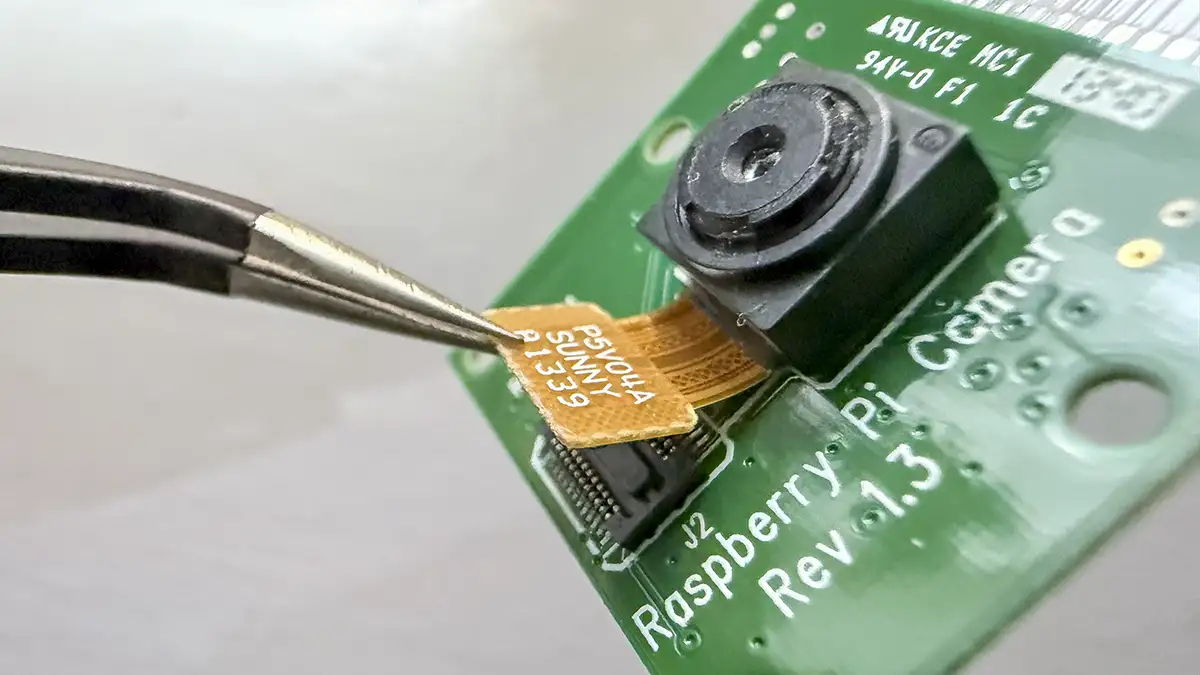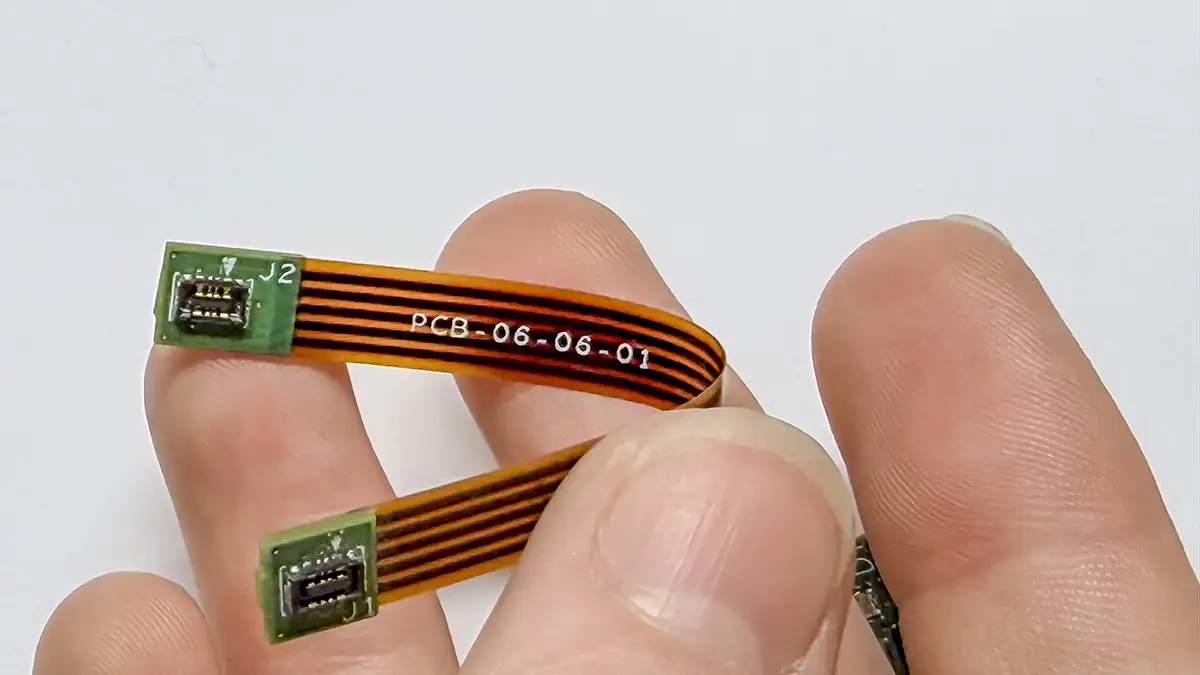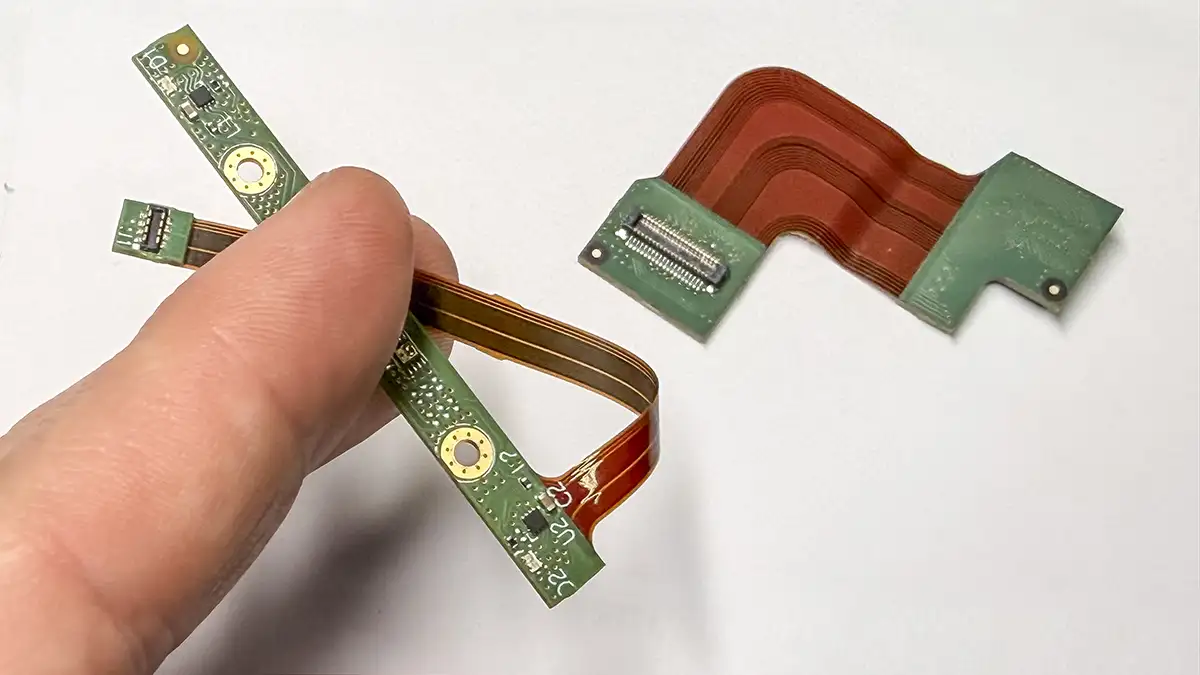

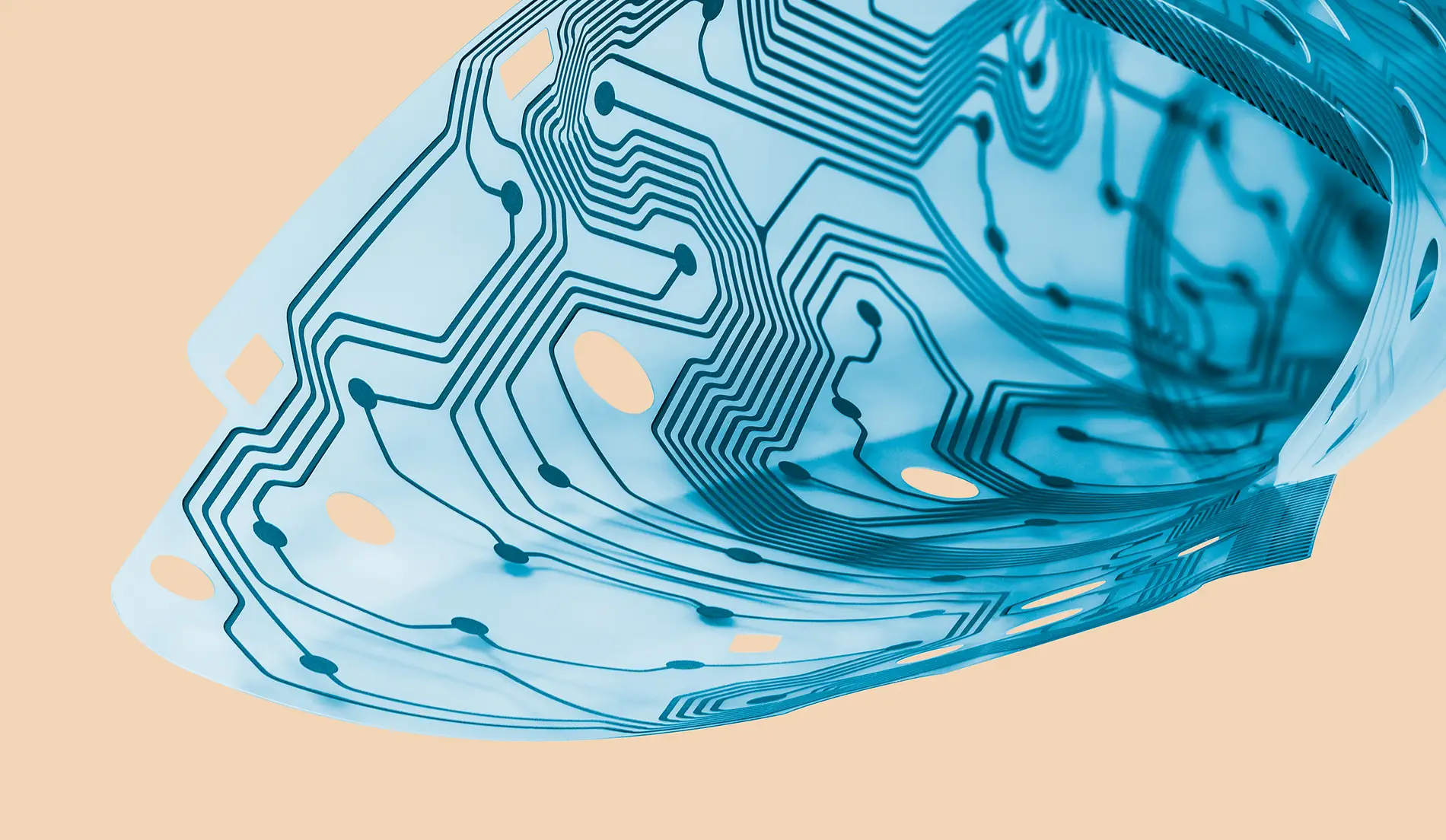

Flexible printed circuit boards (FPCBs) are the fastest growing segment of printed circuits; this is driven largely by the need to fit circuits into the ever-shrinking available space in modern electronic devices and other technology.
An FPCB can bend and fold into spaces that a traditional, rigid PCB can’t. They can also be combined with rigid PCBs to make semi-rigid PCBs when the qualities of both types of board are needed.
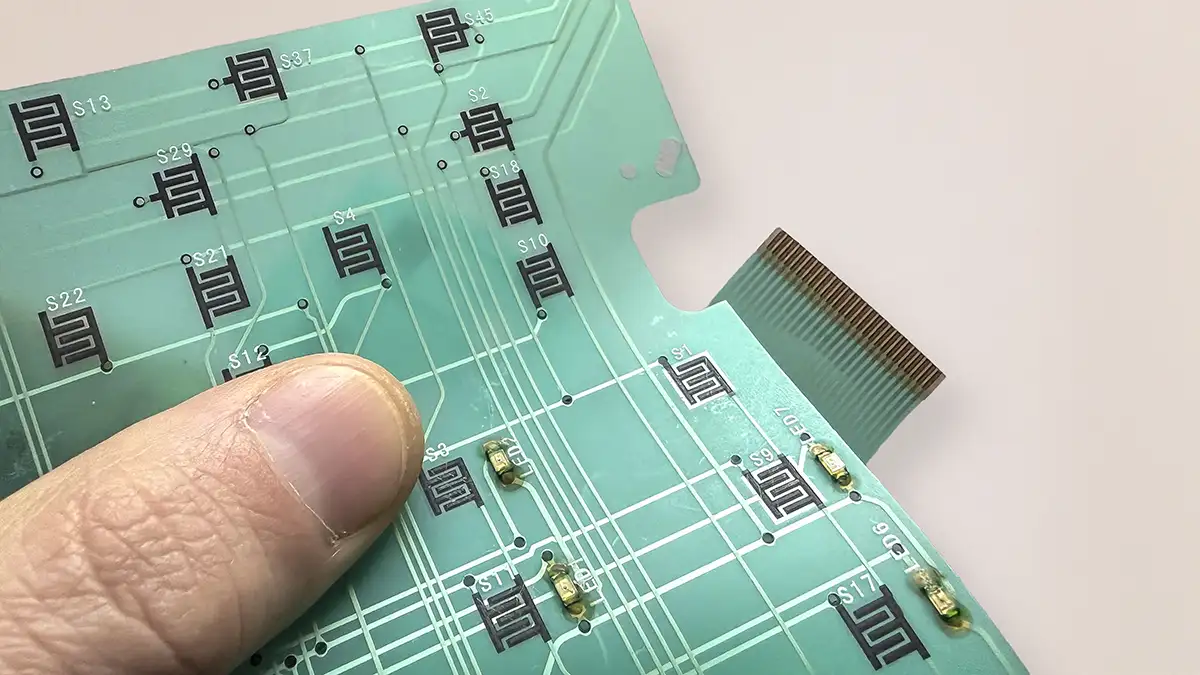
FPCBs are all around us—hiding inside the keyboards of our computers, tucked away in our smartphones, crammed into digital cameras, and filling the tight spaces inside so much of today’s technology large and small.
What sets FPCBs apart?
The main difference between an FPCB and a traditional one is the substrate material. While traditional PCBs are printed on a rigid substrate, fiberglass-epoxy board known as FR4 is common; FPCBs typically use polyimide (PI) as a substrate. Polyimide comes from a class of high-performance plastics, and is valued in FPCB design for the following qualities:
- High flexibility and light weight
- Durability through many flexing cycles
- Thermostability across a wide range of temperatures
- Resistance to high temperatures, radiation and harsh chemicals
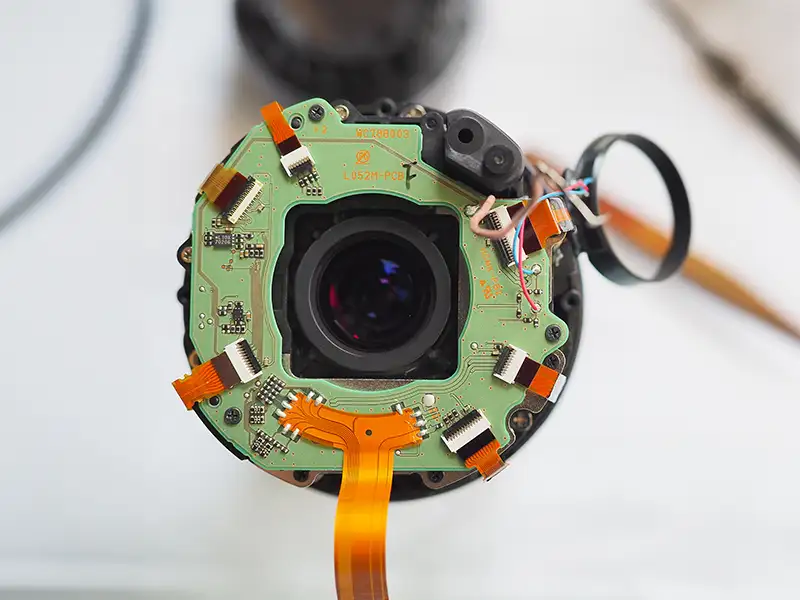
A case for FPCBs
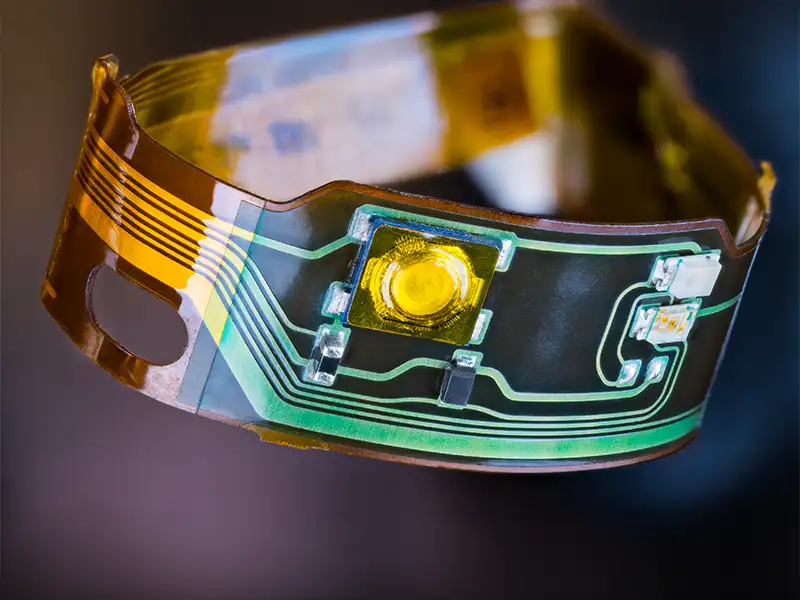
A very common area of application for FPCBs is wearable technologies. Any technology intended to work in direct contact with the human body needs to be flexible and lightweight, two key advantages of Flexible PCBs.
This link will take you to a case study where we were involved in designing earphones. The project required both flexible and rigid PCBs was Neckband Earphones for Hearing Protection.
Other common applications for FPCBs include:
- Aerospace
- Automotive
- Bar code equipment
- Battery packs
- Cameras
- Satellites
- Semiconductor testing
- Manufacturing devices
- Medical devices
- Renewable energy
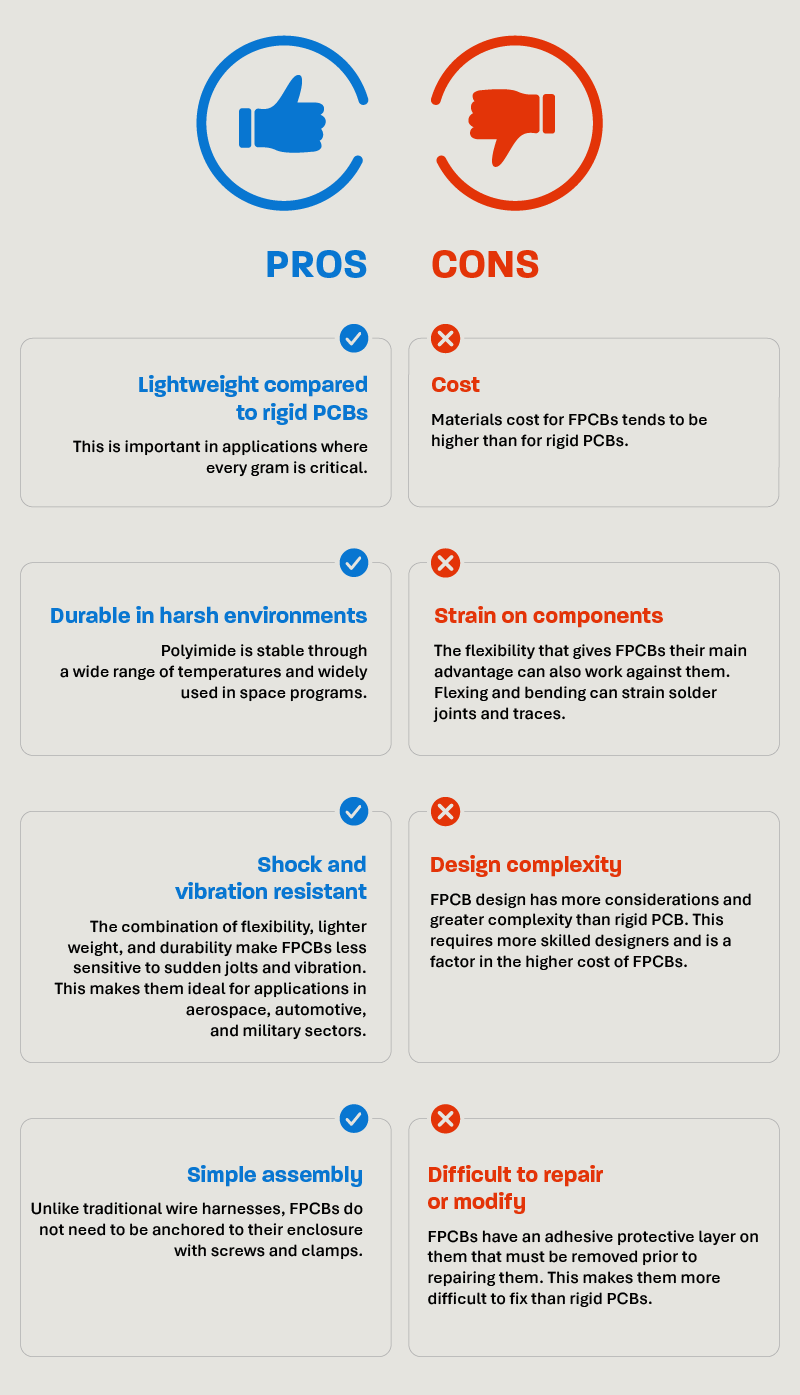
The table shows some of the pros and cons of FPCBs
Look at Consilia’s PCB design services
Design of FPCBs is just one PCB related service we offer. Follow to see a full overview of our PCB services.