
_en.svg)
Diagram illustrating Edge Computing in Autonomous Security Operations Center (SOC) — data flow from sensor to edge node to cloud.
Context: Moving Beyond “Cloud-Only”
For years, the trend was simple: send everything to the cloud. However, as the number of sensors in Industry 4.0 and MedTech grows, the network pipes are becoming a bottleneck.
Edge computing isn’t a replacement for the cloud; it is an intelligent partner that filters the noise and only sends the high-value signals to the central server. The result is faster decision-making, lower bandwidth consumption, and more efficient use of cloud resources.
Four Pillars of the Edge Computing Advantage
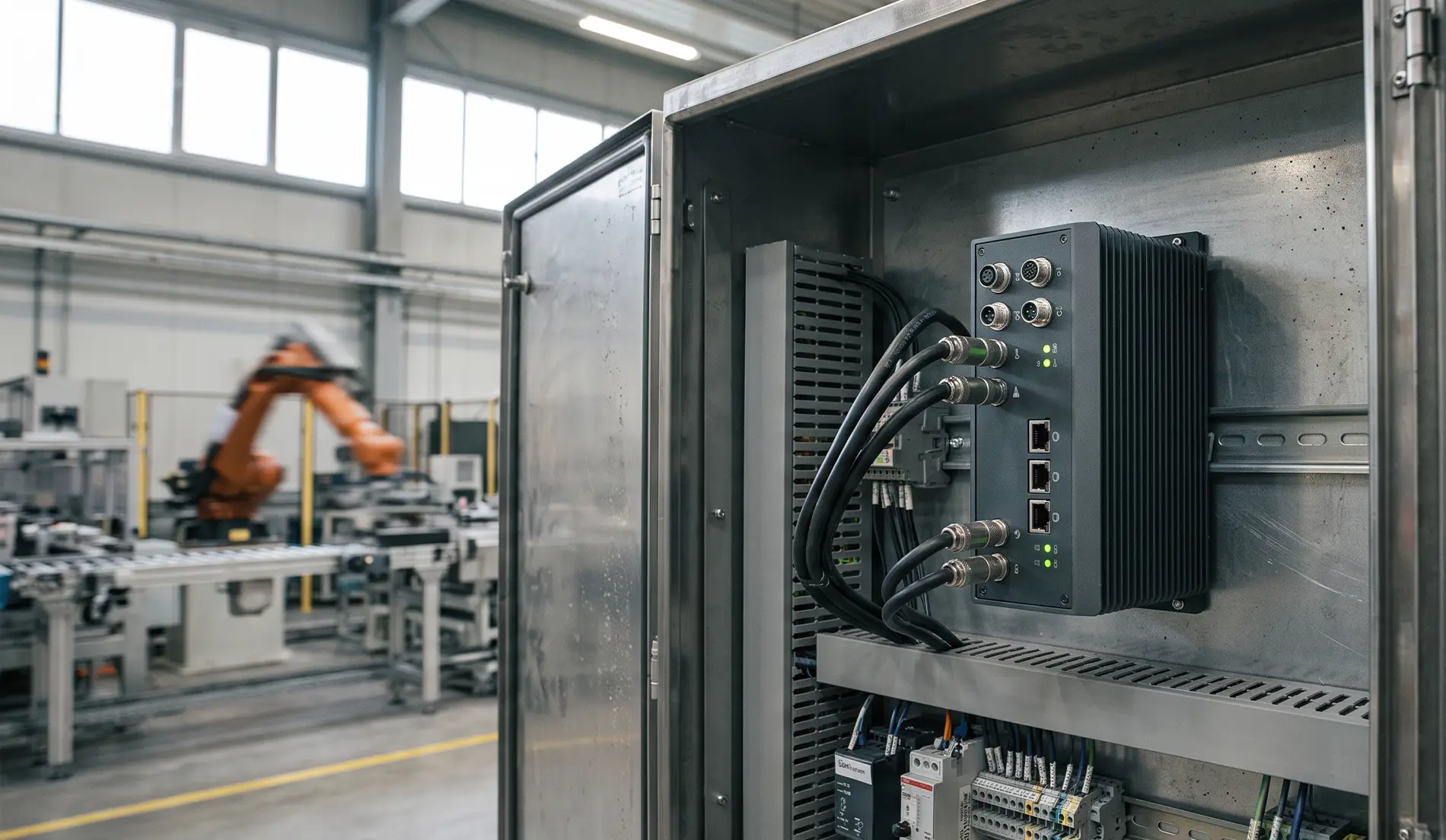
1. Latency: When Milliseconds Matter
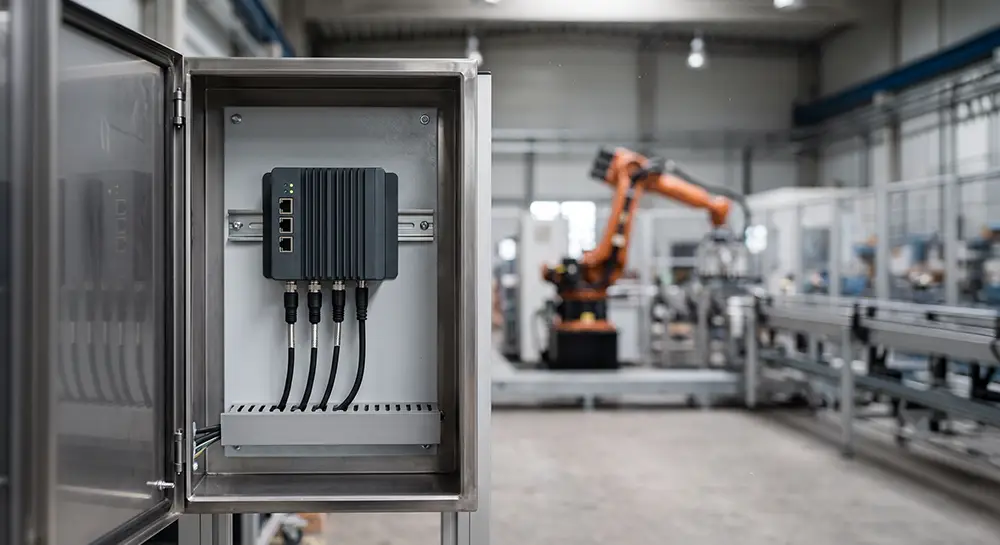
In robotics or autonomous systems, the round-trip time to a distant data center is often too slow.
| Approach | Typical latency |
|---|---|
| Cloud round-trip | 50–200 ms (network dependent) |
| Edge processing | typically 1–10 ms for local decisions |
Edge computing enables real-time deterministic response — critical for system safety and precision.
2. Bandwidth and Cost Optimization
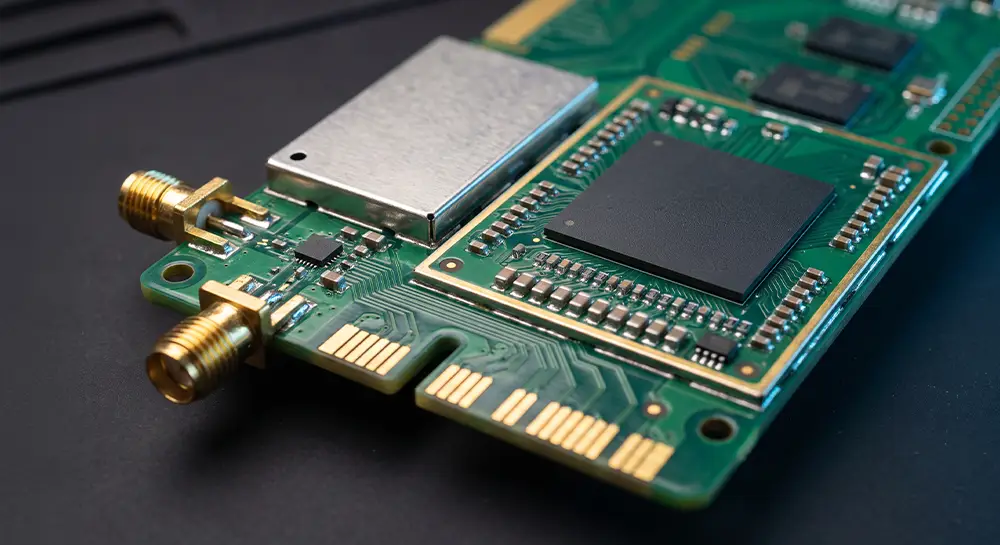
Streaming 4K video or high-frequency vibration data from dozens of cameras and sensors to the cloud is expensive. Edge devices, utilizing SoCs like NVIDIA Jetson or NXP i.MX, perform local inference and only upload anomaly alerts.
This drastically reduces data transfer, cloud storage requirements, and operating costs.
At Consilia, we have applied similar principles in projects such as a TETRA base station, where an Arm Cortex processor worked alongside an FPGA to process data efficiently at the source.
What is a System on Chip (SoC)?
An SoC defines embedded hardware design: CPU and real-time cores, the NPU for on-device AI inference, thermal and power limits, and long-term supply.
3. Security and Data Privacy
In MedTech and critical infrastructure environments, sensitive data often cannot—or should not—leave the local network.
Relevant regulatory and security standards include:
- IEC 62443 — Industrial (OT) cybersecurity. Requires segmentation into zones and conduits with controlled communication between them. While it does not mandate data locality, its architecture strongly favors keeping critical control data within protected local zones.
- GDPR — Governs the processing of personal data and restricts transfers outside the EEA without appropriate safeguards. While GDPR does not require data to remain on the local network, local or EU-based processing can simplify compliance.
- ISO 13485 / IEC 62304 — Key standards governing quality management and software lifecycle processes in medical devices
- ISO 26262 — Automotive functional safety, including ASIL classification and Hazard Analysis and Risk Assessment (HARA).
- ISO/SAE 21434 — Automotive cybersecurity engineering, including Threat Analysis and Risk Assessment (TARA).
- EU MDR — Medical Device Regulation, including General Safety and Performance Requirements (GSPR).
Edge computing can strengthen security by keeping sensitive raw data behind the local firewall and reducing the amount of information transmitted externally.
4. Power Intelligence and Autonomy
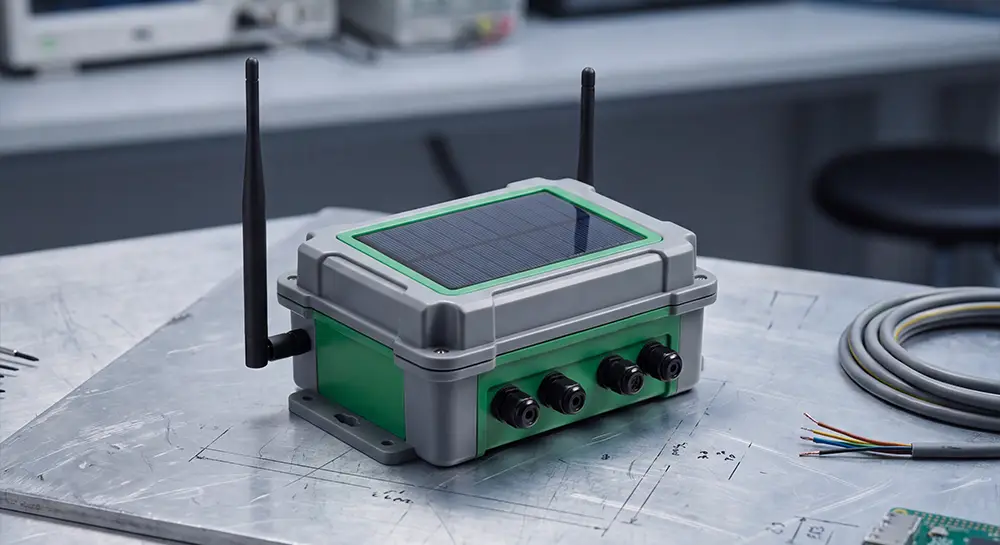
Unlike cloud servers with unlimited power, edge devices often run on batteries or harvested energy.
Edge computing enables intelligent sleep cycles. Instead of keeping the radio active 24/7, the SoC can remain in a deep-sleep state and wake only when the local AI detects a specific event, such as a vibration anomaly or voice command.
Depending on workload and duty cycle, this approach can extend battery life dramatically while maintaining responsiveness when it matters.
Expert Voice
[citace]We are moving from a cloud-first to an edge-first world. As computing becomes embedded in every aspect of our lives, the ‘Intelligent Edge’ is where the most critical data is generated and where the most immediate action happens.[citace][citace-autor]Satya Nadella, CEO of Microsoft [citace-autor]
Comparison: Cloud vs. Edge Computing
Lessons from the Field: The Hybrid Approach
Our project experience shows that the most successful implementations use a hybrid model: the edge handles immediate reaction and security, while the cloud is used for long-term machine learning and global device management.
This is what edge AI looks like in practice: models are trained centrally in the cloud, then deployed to edge devices where inference happens close to the data source.
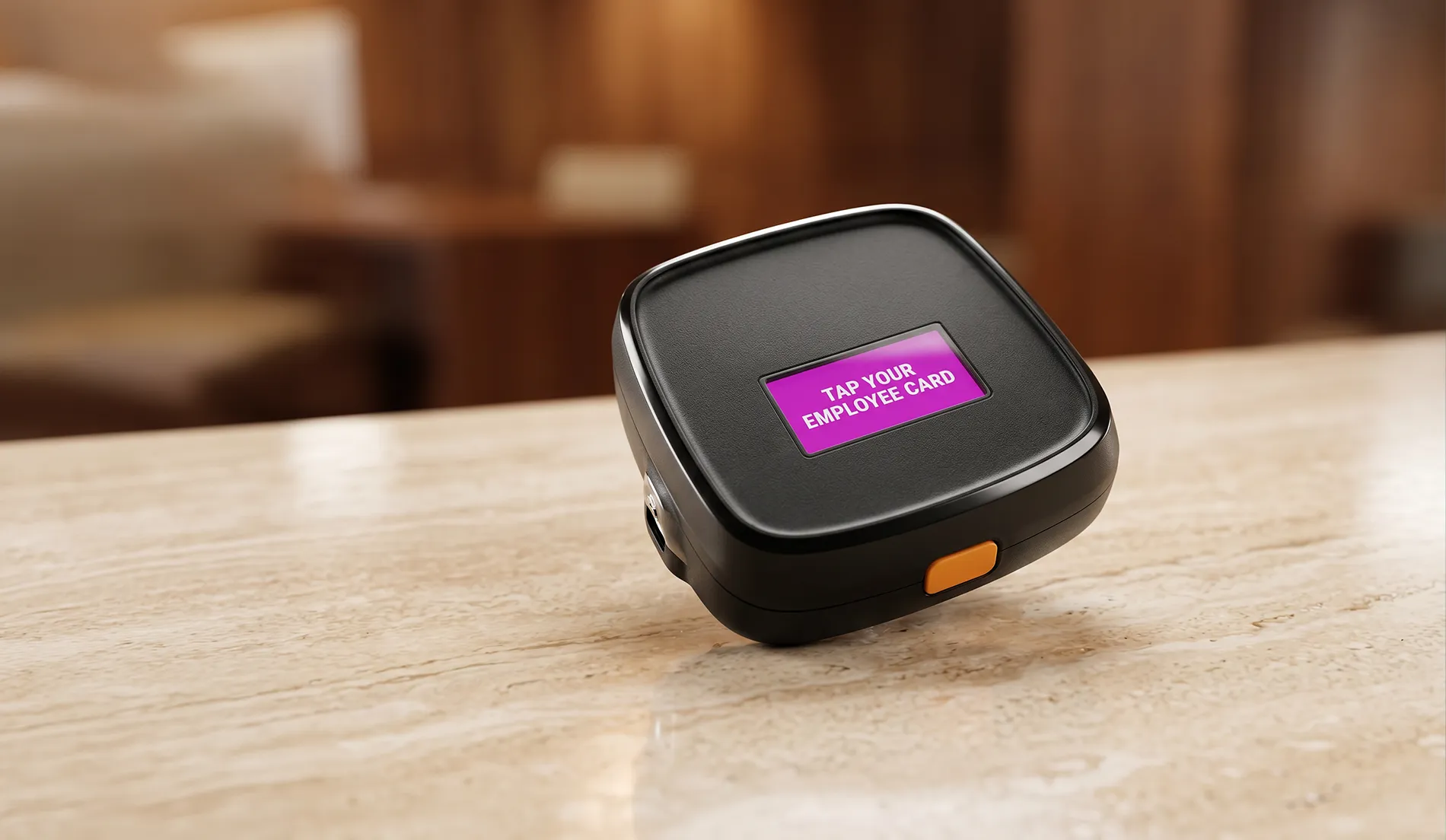
A strong example of this hybrid approach is our Gateway for Personal Safety project.
In this project, data from multiple personal safety devices is collected and aggregated by a gateway based on a System-on-Module (SoM) platform running Android. The gateway integrates LTE modems, Wi-Fi, Bluetooth, and GPS connectivity.
The gateway processes and evaluates this data locally using edge computing. Any immediate concerns can be handled locally by the gateway, while only a small, relevant subset of data is transmitted to the cloud.
3 Key Takeaways for Your Next Project:
- Define which data truly needs to be stored — an effective edge filter can save thousands in storage and transmission costs.
- Hardware selection matters — whether you choose an FPGA or GPU will have a major impact on processing efficiency and power consumption.
- Don't overlook OTA updates — managing hundreds or thousands of edge devices requires a robust remote management strategy from day one.
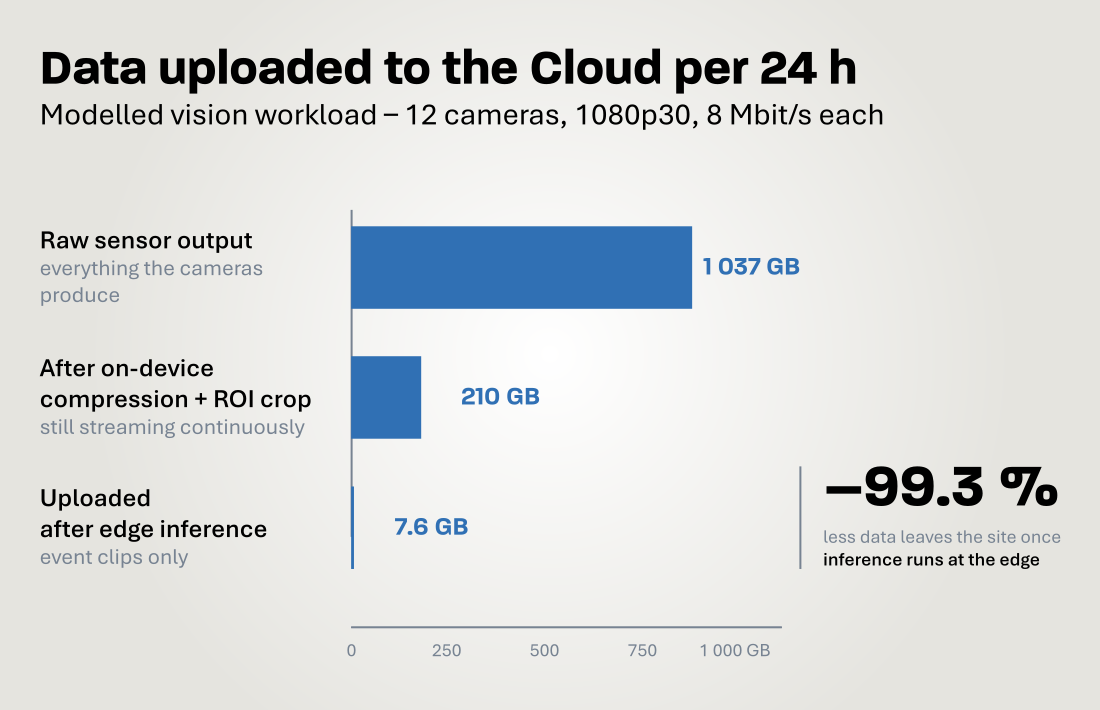
Model: 12×8 Mbit/s 24h = 1 037 GB RAW │ ROI crop + H.265 → 210GB │ 380 events/day × 20s clips → 7.6GB uploaded. Linear scale, bars start at zero. Not shown: cloud-side deduplication reduces stored dat
Working on a project where latency or data privacy is critical?
At Consilia, we design both hardware and software for demanding edge applications—from industrial automation to medical devices. We'll be straight with you about where an edge layer genuinely adds value and where it would simply be an unnecessary investment.
Browse our case studies or get in touch directly.
Interesting external resources



Case studies
Related Consilia projects
Gateway for Personal Safety
The gateway helps to aggregate data from various smart personal protection devices and upload it to a cloud for further processing. Learn more in case study.